Unlocking the Power of Aluminum Foundry: Benefits, Importance, and Who Can Leverage Its Advantages
The aluminum casting industry holds a vital position in contemporary production processes. These processes improve operational efficiency while offering notable advantages such as structural strength, minimal weight, and recyclable characteristics. A wide range of industries, spanning automotive to aerospace, experience substantial benefits. However, the obstacles and advancements in this domain bring forth critical questions. What impact do these innovations carry? Understanding the nuances can reveal how stakeholders can effectively harness these opportunities.
Understanding Aluminum Foundry Processes: Everything You Should Know
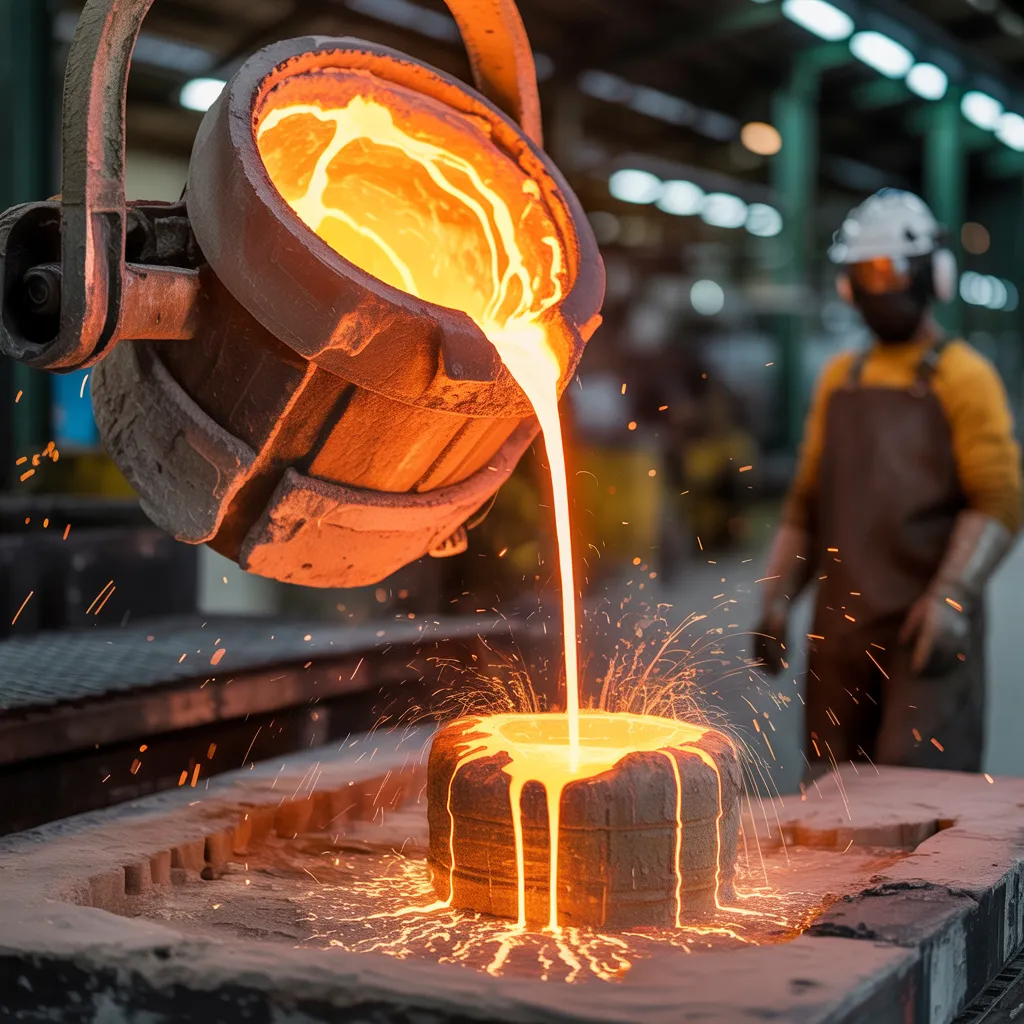
What makes aluminum foundry processes essential in modern manufacturing? These processes are pivotal for transforming raw aluminum into usable components across various industries. The aluminum foundry process involves a number of key stages, such as melting, molding, and cooling. Each phase necessitates careful oversight to attain the desired specifications and quality criteria.
During the melting stage, ingots or recycled aluminum are raised to their melting point, guaranteeing optimal fluidity for the casting process. The molding stage requires the molten aluminum to be poured into specially designed molds, that can be customized to meet particular application requirements. The cooling process enables the aluminum to set and solidify, yielding strong components that fulfill strict performance criteria.
Moreover, aluminum foundry processes can support complex geometries, making them suitable for creating detailed pieces. Such adaptability, together with the lightweight properties of aluminum, makes foundry processes a critical factor in manufacturing sectors, boosting product effectiveness and development.
Major Benefits of Aluminum in Manufacturing: Strength, Weight, and Cost
Aluminum's superior strength-to-mass ratio positions it as a preferred choice in numerous production settings. This quality enables the creation of durable yet lightweight parts, boosting overall efficiency. Moreover, its cost-effective fabrication processes drive its extensive application across industries.
Outstanding Strength-to-Weight Ratio
The exceptional strength-to-weight ratio of aluminum makes it a preferred choice in a wide range of manufacturing processes. This special quality empowers manufacturers to produce lightweight frameworks without undermining structural integrity. In industries such as aerospace, automotive, and construction, the low density of aluminum facilitates considerable weight reductions, which can enhance fuel efficiency and reduce transportation costs. The robustness of aluminum alloys further adds to their adaptability, permitting the creation of components capable of handling rigorous conditions. Moreover, the capability to develop thinner yet resilient parts unlocks new potential for innovative designs. Consequently, the combination of strength and reduced weight positions aluminum as an advantageous material in modern manufacturing, driving efficiency and performance across multiple sectors.
Economical Manufacturing Solutions
Manufacturers are progressively recognizing aluminum not only for its robust nature and light weight but also for its economic advantages. The material's economic value, combined with its durability, makes it an appealing selection for a wide range of sectors. Manufacturing methods, such as precision casting and extrusion, enhance production efficiency, minimizing time and workforce expenses. Additionally, aluminum's recyclable nature contributes to lower long-term expenses, as processing recycled aluminum demands considerably less energy compared to raw materials. This cost-saving benefit appeals to businesses aiming to enhance profit margins while preserving superior quality criteria. Overall, aluminum delivers a comprehensive solution that encourages eco-friendly production methods and delivers a market advantage in the manufacturing sector, making it an ideal selection for financially mindful manufacturers.
Enhancing Production Efficiency With Aluminum Foundry Techniques
Aluminum foundry processes greatly enhance operational efficiency through streamlined manufacturing processes. By optimizing workflows and reducing material waste, these methods lead to reduced turnaround times. Moreover, the enhanced material characteristics of aluminum lead to stronger and lighter products, providing additional advantages to manufacturers.
Optimized Manufacturing Processes
Optimizing industrial operations via aluminum foundry practices improves production efficiency significantly. These techniques facilitate quicker mold creation and decreased lead times, resulting in quicker project completion. Automation plays a significant role, as sophisticated equipment decreases manual effort and mistakes, maintaining reliable manufacturing quality. Additionally, the capability to manufacture complex geometries and minimize material waste contributes to economic efficiency and environmental responsibility. By implementing lean production strategies, casting facilities can optimize resource usage, strengthening production performance. The adoption of real-time tracking systems supports better management of workflows and inventory, allowing for quick changes as circumstances demand. Ultimately, these optimized workflows not only boost productivity but also enhance standing within the industry.
Enhanced Material Properties
The key benefits of aluminum foundry techniques reach further than efficient production methods to include superior material qualities that play a major role in production efficiency. These properties, such as enhanced strength-to-weight relationships and corrosion resistance, allow for the creation of durable yet lightweight parts. The casting process enables the production of complex shapes, decreasing the dependency on further machining processes and minimizing material waste. This not only leads to cost savings but also speeds up manufacturing schedules. Additionally, aluminum's superior thermal and electrical properties positions it as a preferred option for various applications in industries ranging from automotive to aerospace. By capitalizing on these advanced material attributes, manufacturers can achieve elevated performance benchmarks while upholding sustainable practices and lowering their total ecological footprint.
Sustainability in Aluminum Foundry: Environmental Benefits and Practices
Prioritizing sustainability, the aluminum manufacturing industry has made considerable headway in lowering its ecological footprint. Innovations in recycling processes have enabled foundries to use up to 95 percent recycled aluminum, significantly reducing energy use and greenhouse gas emissions compared to primary aluminum production. Furthermore, advanced casting techniques minimize waste and enhance material efficiency, further contributing to sustainable practices.
A growing number of foundries are likewise embracing cleaner energy alternatives, like solar and wind power generation, to decrease dependence on fossil fuels. Water usage is being optimized through closed-loop systems, guaranteeing minimal impact on the environment. Moreover, the industry is increasingly focusing on responsible sourcing of raw materials, emphasizing ethical practices and transparency in supply chains.
Such initiatives not only reflect a strong focus on ecological responsibility while also aligning with worldwide sustainability objectives, establishing the aluminum foundry sector as a leader in environmentally conscious manufacturing methods.
What Industries Stand to Gain From Aluminum Foundry Advancements?
Breakthroughs in aluminum casting techniques not only enhance read the facts sustainability but also tremendously aid a range of fields. The automotive industry, for instance, employs low-weight aluminum pieces to enhance fuel efficiency and performance. Aviation producers make use of sophisticated aluminum alloys for their superior strength-to-weight characteristics, which is fundamental for the design and safety of aircraft.
In addition, the construction sector has increasingly turned to aluminum for its exceptional durability and resistance to corrosion, enabling more green construction approaches. Electronics manufacturers take advantage of aluminum's exceptional ability to conduct heat, enabling better thermal management in products. The consumer products industry similarly adopts aluminum for innovative packaging solutions, encouraging recyclability while minimizing environmental impact.
Moreover, the renewable energy sector utilizes aluminum in wind turbines and solar panels, supporting more sustainable energy initiatives. In totality, these developments in aluminum casting processes enhance performance, efficiency, and sustainability across multiple industries, illustrating the substance's value and wide-ranging applications.
The Future of Aluminum Foundry: Key Innovations to Watch
As industries increasingly prioritize sustainability and efficiency, upcoming advancements in aluminum foundry processes are expected to reshape the field. Breakthroughs including advanced automation and artificial intelligence are anticipated to improve production efficiency and minimize waste. Intelligent manufacturing methods will enable real-time tracking and optimization of the casting process, resulting in superior quality outputs.
In addition, the integration of sustainable practices, such as employing recycled aluminum and minimizing energy consumption, will be instrumental in influencing the future landscape. The integration of 3D printing technology is anticipated to allow for more sophisticated designs and reduce lead times, consequently strengthening market position.
In addition, the production of advanced lightweight aluminum compounds will address the growing requirement in sectors like transportation and aerospace sectors, where minimizing weight is paramount. Together, these developments will not only improve manufacturing effectiveness but also promote a greener and more innovative aluminum manufacturing industry.
Popular Questions We Receive
What Safety Precautions Are Required in Aluminum Foundries?
At aluminum foundries, critical safety protocols consist of effective ventilation, personal protective equipment, routine equipment upkeep, training on hazardous materials, and emergency procedures to mitigate risks from extreme heat, liquid metal, and chemical exposure.
How Does Aluminum Recycling Affect Foundry Operations?
Aluminum recycling considerably enhances foundry operations by reducing raw material costs, decreasing material waste, and decreasing energy demands. This environmentally responsible method not only boosts efficiency but also promotes environmental objectives, fostering a circular economy within the industry.
What Is the Life Expectancy of Aluminum Castings?
The service life of aluminum casting products generally spans 10 to 50 years, based on environmental conditions, alloy composition, and application. Regular upkeep and careful maintenance can considerably improve their longevity and overall performance.
What Specific Certifications Are Available for Aluminum Foundry Workers?
Indeed, specific certifications are available for aluminum foundry workers, including those from organizations like the American Foundry Society AFS. These certifications guarantee workers are knowledgeable about quality control, safety standards, and casting techniques in aluminum production processes.
How Can Small Businesses Access Aluminum Foundry Services?
Small-scale enterprises can secure aluminum casting services by researching local foundries, establishing partnerships, utilizing online platforms for quotes, and attending industry events to build connections with potential suppliers for their specific needs.